


At the heart of lasting environmental impact is education. Through foundational environmental learning, we equip communities with the knowledge, awareness, and motivation needed to embrace sustainable practices and protect our natural resources.
Why Sustainable Education?
Environmental challenges can’t be solved by technology alone. True, long-term change begins when people understand the impact of their actions. Our sustainable education programme inform and empower communities, reduce resistance to new practices, and ensure that restoration, conservation, and climate adaptation efforts succeed over time.
Our Approach / Programs
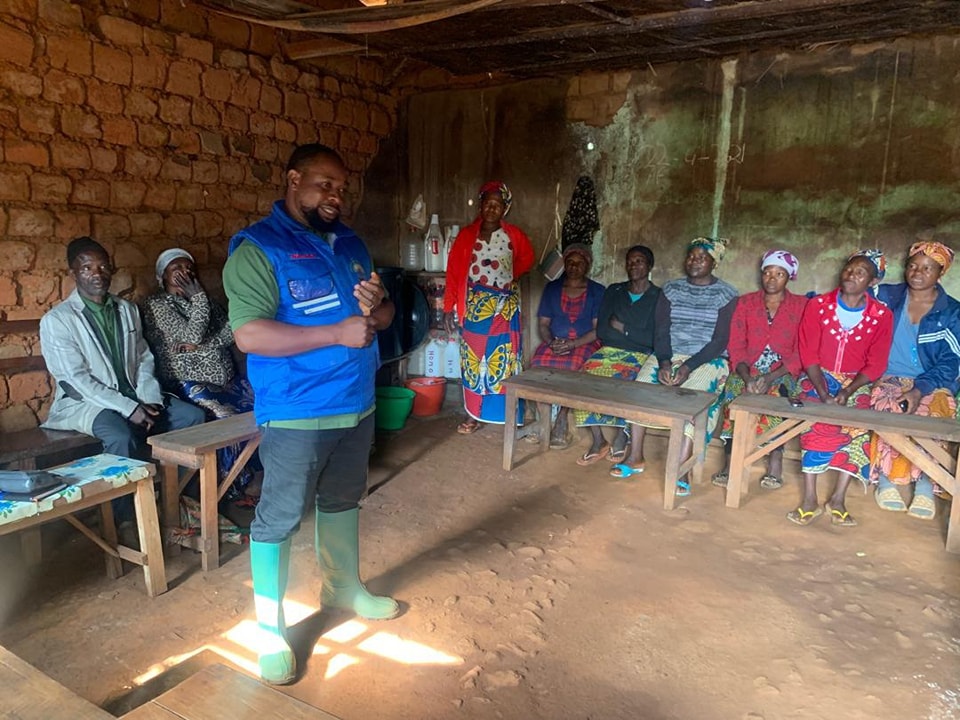
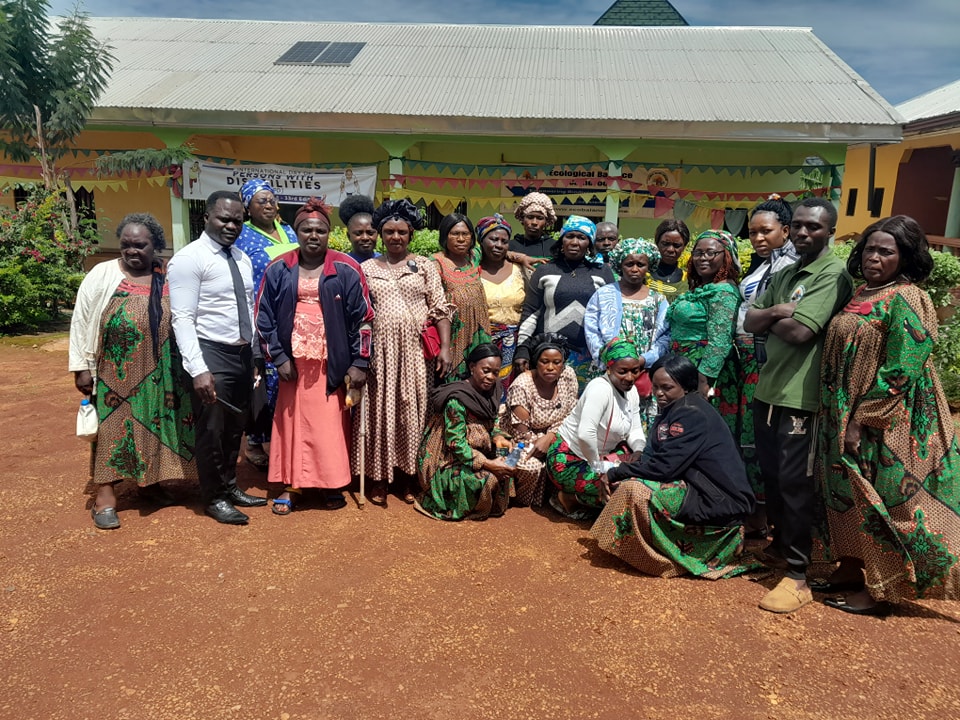
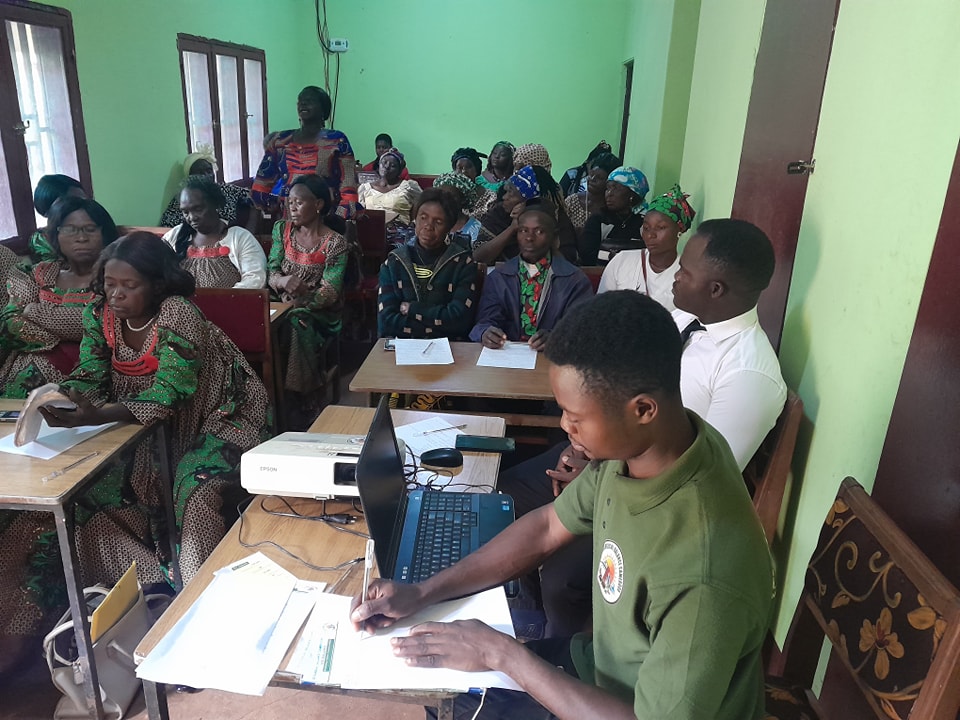
Community Sessions
Our interactive workshops and discussion forums bring community members together to explore environmental challenges and solutions in a hands-on, participatory way. Through dialogue, questions and answer sessions, and sharing local experiences, it foster deeper understanding of environmental issues while empowering participants to take collective action. Participants learn practical skills from sustainable farming and soil conservation to water protection and waste management, while building a shared sense of responsibility for the health of their local ecosystems. These sessions are designed to inspire collaboration, spark community-led initiatives, and create a culture where environmental stewardship becomes a shared goal rather than an individual effort.



School-Based Education
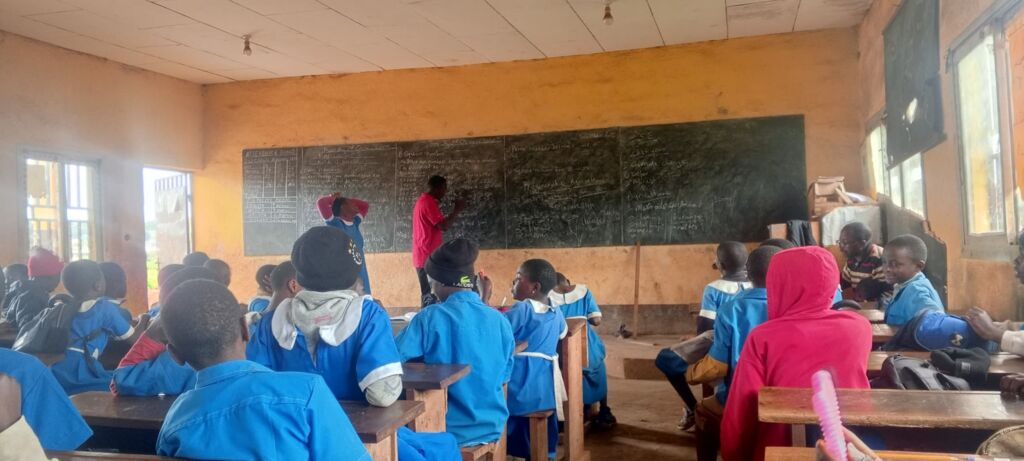
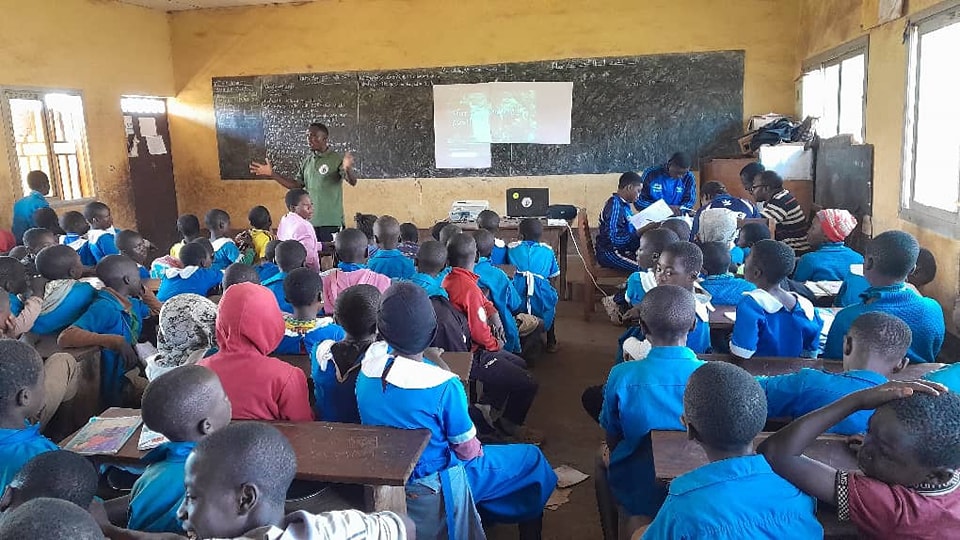
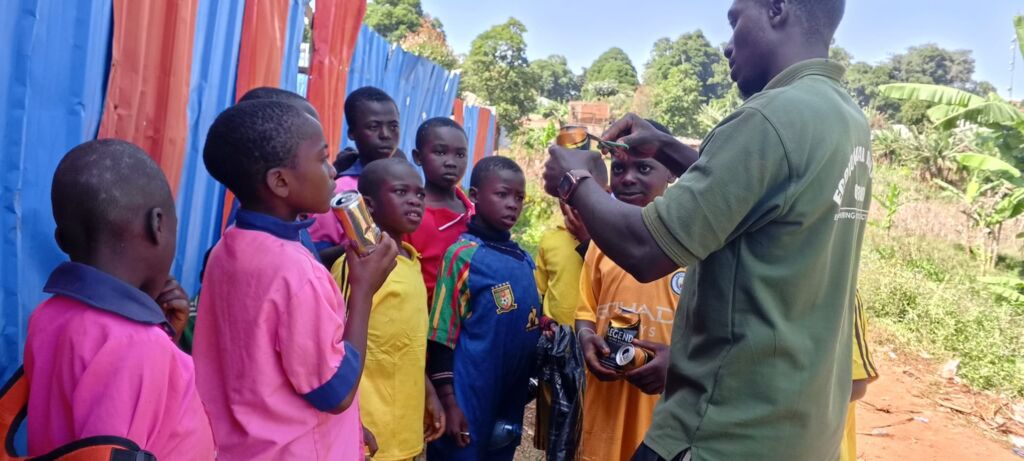
Our school-based education program introduces environmental awareness at an early age by engaging students in practical, relatable learning experiences. The program is designed to help young people understand the environmental challenges they witness in their daily lives and empower them to become active stewards of their communities.
Through age-appropriate lessons, discussions, and interactive activities, students explore key environmental issues such as bushfires, deforestation, waste management, climate change, water conservation, and land degradation and more. Connecting these topics to real-life experiences in their communities, they are able to understand both the causes of environmental problems and the solutions they can contribute to.
To strengthen engagement and deepen understanding, the program also incorporates the use of visual learning tools such as environmental documentaries, short educational films, and guided discussions. These screenings provide powerful storytelling that helps students visualize the impact of environmental degradation while highlighting positive examples of restoration and sustainable practices.
Beyond classroom learning, the program encourages participation through practical activities, environmental clubs, and school-based initiatives that allow students to apply what they learn. Through these efforts, we aim to cultivate environmentally conscious young leaders who will play an important role in building sustainable communities for the future.




Behaviour-Change Communication
Our Behaviour-Change Communication initiatives use targeted messaging to encourage sustainable habits, reinforce positive environmental practices, and build long-term commitment to environmental protection within communities.
A key component of this effort is our radio programme, which serves as an accessible platform for reaching a wide audience across the region. Through regular broadcasts, we discuss pressing environmental issues affecting local communities, such as land degradation, deforestation, waste management, bushfires, and water resource protection, while providing practical solutions that individuals and communities can adopt.


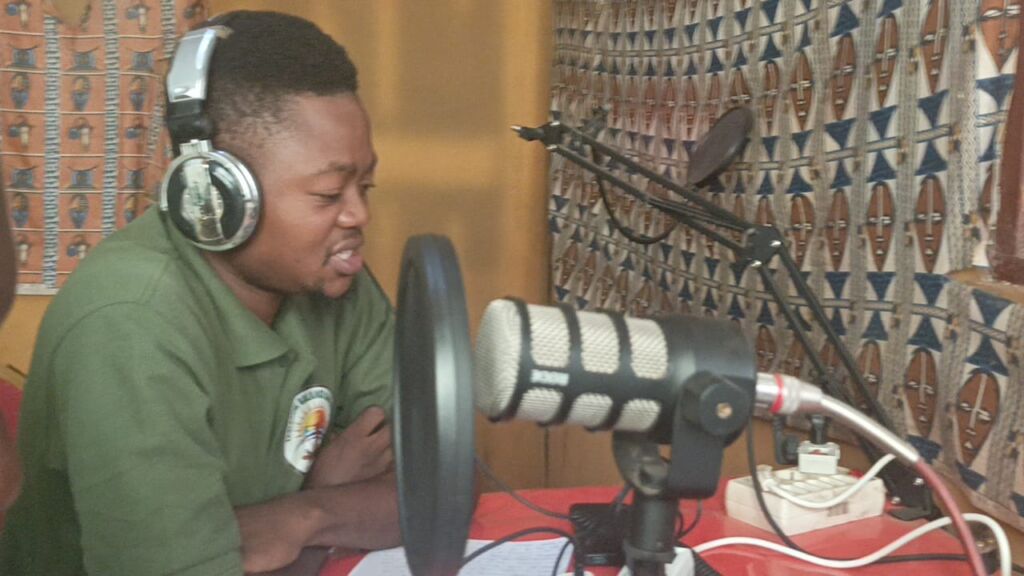
The programme also creates opportunities for dialogue and awareness by sharing information about ongoing environmental projects and restoration initiatives. Community members are informed about the role they can play in protecting their environment and are guided on the actions expected of them to support sustainable land and resource management.
These communication efforts help communities better understand environmental challenges and empower them to take meaningful steps toward more sustainable behaviors and practices.
Plastic Waste to Reforestation Initiative
The Plastic Waste Recovery for Reforestation Initiative is a flagship program of Ecological Balance Cameroon that links environmental clean-up with ecological restoration in Nkambe. The initiative transforms plastic waste, particularly single-use whiskey sachets, into a resource for growing trees, creating a circular system where waste becomes a tool for regeneration.
The program began in 2024 as a pilot intervention focused on addressing the growing challenge of plastic pollution in urban and peri-urban areas of Nkambe. At the time, improper disposal of single-use plastics was becoming increasingly visible in shops, streets, and drainage systems, contributing to environmental degradation and blocked waterways. In response, Ecological Balance Cameroon introduced a simple but innovative model: collect plastic waste at source and reuse it in tree nurseries.
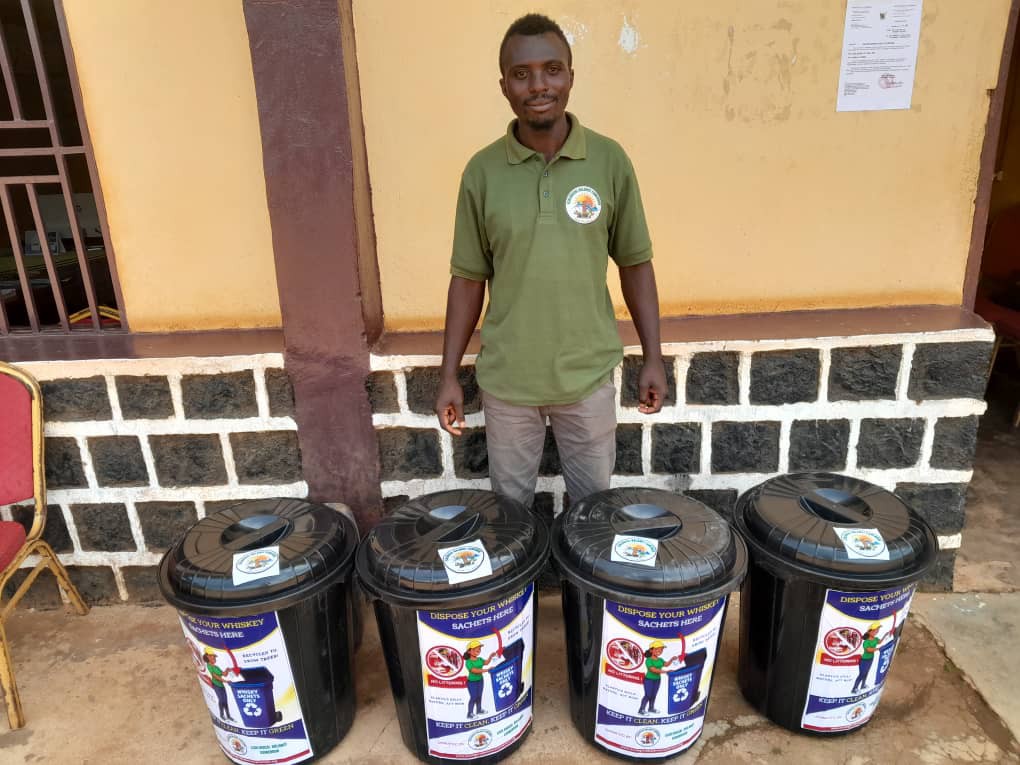
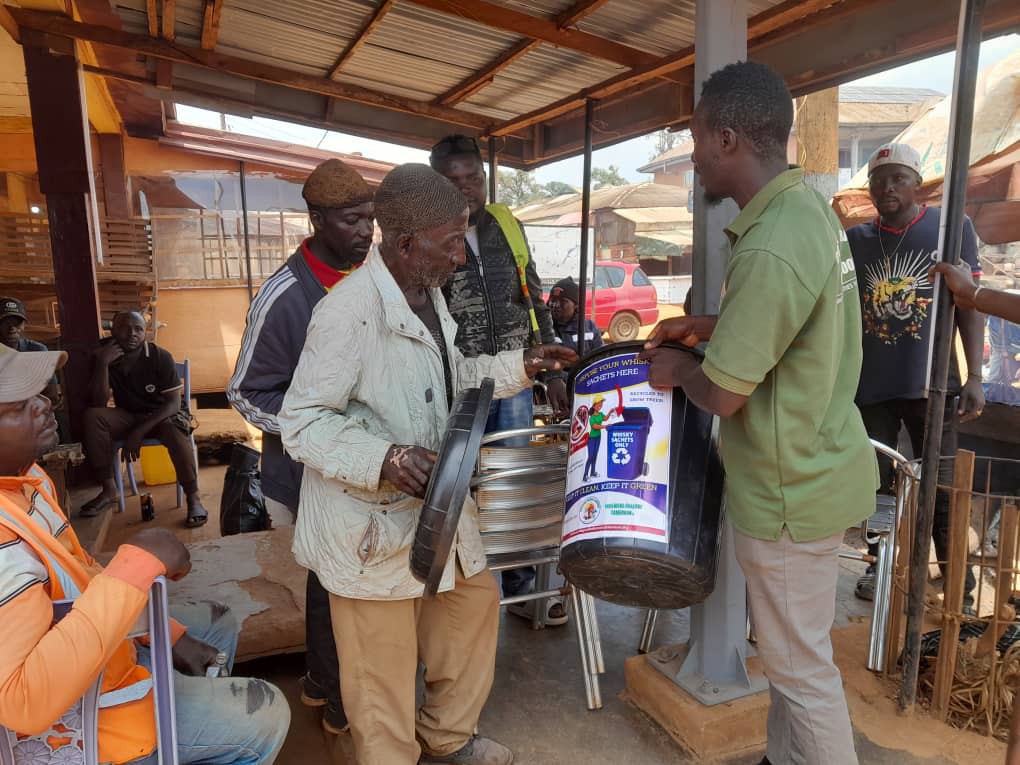
In 2026, the initiative is being scaled up significantly across Nkambe town and surrounding communities. Waste collection bins are being deployed at shops and strategic waste generation points, creating a decentralized system that improves collection efficiency and strengthens community participation. This scale-up phase also focuses on expanding nursery production capacity to accommodate increased volumes of recycled material, while deepening awareness on sustainable waste practices.
The initiative is part of Ecological Balance Cameroon’s broader vision of ecosystem restoration in the Mbum Plateau, where waste management, reforestation, and community engagement are integrated into a single climate resilience approach.

Under this model, collected sachets are cleaned, processed, and repurposed into polybags used for raising tree seedlings in community and central nurseries. This directly connects waste management to reforestation, ensuring that pollution is not only removed from the environment but transformed into a solution for restoring degraded landscapes.
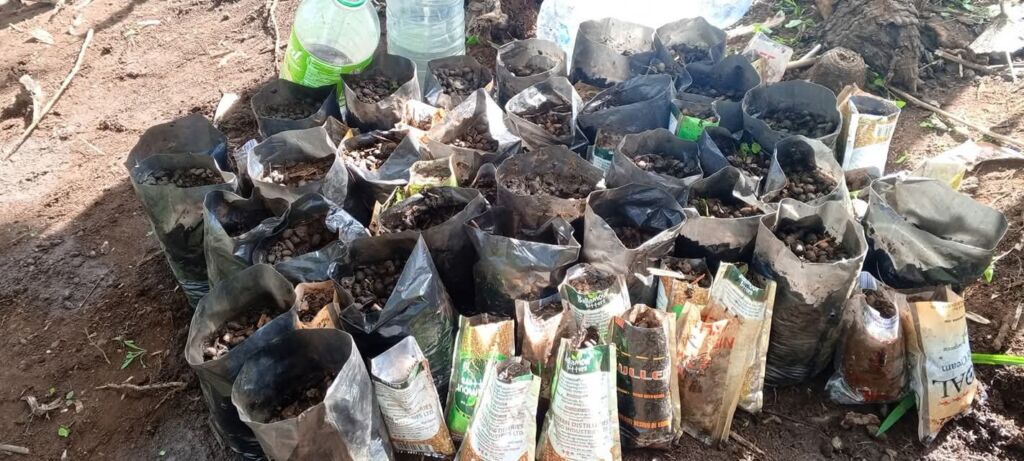
Following the pilot phase, a field assessment conducted by the organization revealed that shops in Nkambe generate significant volumes of plastic waste weekly, highlighting both the scale of the problem and the opportunity for structured intervention. This evidence has informed the expansion of the program.

We welcome individuals, institutions, schools, organizations, and development partners who share our vision of empowering communities through environmental education.
You can support this programme by partnering with us to expand en
vironmental education initiatives, sponsoring school-based environmental learning activities, supporting community awareness and radio education programmes, and collaborating with us on research, outreach, and sustainability projects.
Together, we can build informed communities and inspire the next generation of environmental leaders.
Contact Us
For support, partnerships, or collaboration, please reach out to us:
Email: limbitatab@ecologicalbalancecameroon.org
Contact: +237672181675We look forward to working together to advance environmental education and sustainable development.